Skip to content
Kauniečiams kasdienės naujienos
  • Kontaktai
  • Reklama
  • Išsikalbėk
Menu
Kauniečiams kasdienės naujienos
  • Naujienos
  • Visuomenė ir gyvenimas
  • Kultūra
  • Švietimas
  • Verslas
  • Krašto gynyba
  • Video
  • Sportas
Menu Close
  • Naujienos 
    • Naujienos
    • Visuomenė ir gyvenimas
    • Kultūra
    • Švietimas
    • Verslas
    • Krašto gynyba
    • Video
    • Sportas
  • Kontaktai
  • Reklama
  • Išsikalbėk
Search for:

Prisijungti

Priminti slaptažodį

Registration is disabled

Recover Password

Jau turite paskyrą? Prisijungti

Cards and card games in the Grand Duchy of Lithuania

  • 2021-08-21
  • Kaunieciams.lt
  • Lietuva

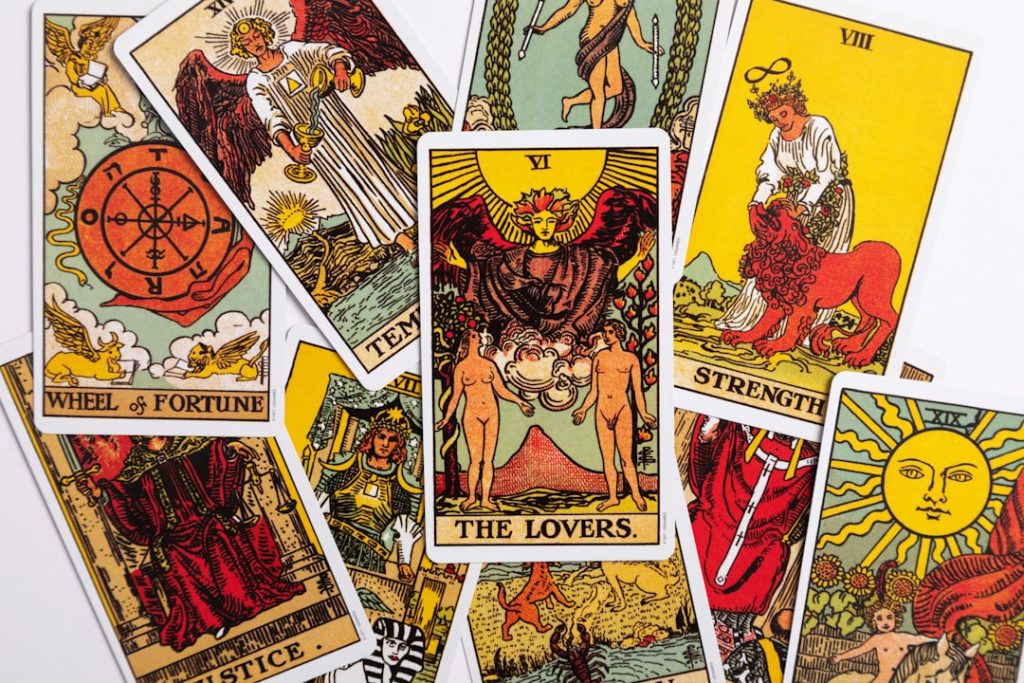
Card games came to Lithuania from Germany via Poland and from the very beginning were loved by kings and condemned by moralists. The Polish-Lithuanian decks had all-male face cards and were slow to admit the queen.

Mateusz Ozięblowski, a nobleman owner of an estate in Gelgaudiškis, had an unpleasant case before him on June 10, 1597, that he had to settle.

It involved his two servants, Jan Szymanowski and Jarosz Stefanowski, and a game of cards while Ozięblowski had been away.

Jarosz was lucky enough to win one Polish złoty from Jan. The latter then tried to persuade Jarosz to continue playing, but he left and went to see another resident of the town, Petras Kaklius, whom he asked for a beer. Petras refused, since Jarosz still owed him money for the beer he drank earlier, but Jarosz stayed there because he expected Petras to change his mind.

It was there that Jan caught up with Jarosz and tried to persuade him to have another go at cards. The two men started quarrelling and, after exchanging some harsh words, Jan lost his temper and clubbed Jarosz to death. He fled the scene, but was captured just a few miles away.

The patrimonial court sentenced him to death. The seemingly innocent game of cards would sometimes ignite ruction and lead to misfortune.

Read more: Dwarfs and jesters at the court of Lithuania’s Vytautas the Great

The history of cards

The earliest history of the modern playing cards is somewhat mysterious, as cards usually carry images of symbols. Scholars have been arguing for more than a century about the origins of cards and how they gained popularity in Europe.

Playing cards first entered Europe in the 14th century at the latest. Earliest historical sources referring to cards are from northern Italy and from cities of southern Germany. In the Middle Ages, cards were drawn by hand, just like manuscripts, which made them unaffordable to many people.

Still, it was in the Middle Ages that cards became popular with burghers, only later catching the attention of the educated strata. This explains why there are so few documents about cards from the 14th century. The documents that exist mostly concern bans and chiding against those engaging in card games.

As different card games became ever more popular, the 15th century saw the emergence of professional cards makers and engravers whose products were sometimes veritable works of art. Many aristocrats got obsessed with card games, while peasants took to them at the beginning of the 17th century.

Card games in Lithuania

Cards most probably reached Lithuania from Germany and through Poland. The theory is supported by the fact that the most widely used decks in the 15th century consisted of 48 cards, just like in Germany. Cards often featured images from everyday life, some of them comic and even vulgar.

The first mention of cards in Poland dates back to 1452 in a document issued by the University of Krakow that banned the game. First card makers (kartenmacher, kartenmaler, cartarius, chartarius) are known to have worked in Krakow at the turn of the 16th century. It is around that time that card games became popular among city dwellers and aristocrats.

According to one documented story, Sigismund I the Old, then still the future Grand Duke of Lithuania and King of Poland (1506–1548), was playing cards in the evenings on his way from Silesia to Krakow in 1501.

Read more: What can we learn from Lithuania’s very first census of 1790?

Thomas Murner, a Franciscan monk, used images of cards to illustrate his book Logica memorativa, a compilation of exercises for developing logical thinking and memory, that was published in Krakow in 1507.

It was about the time that cards reached Lithuania and became popular among the nobility. A 1549 letter by Mikołaj Radziwiłł the Black provides one of the earliest mentions of cards in Lithuania: the nobleman uses condemning words when he writes of card addicts seeking to become state officials.

It is very likely that cards from Poland were used in 16th century Lithuania, although the first packs most probably reached the country from Germany.

Polish and German cards featured different images. Scarce examples of the cards made in Poland usually bear military images and pictures depicting the life of the nobility. German-made cards very often feature scenes from urban and rural life that never appear on cards from Poland. In addition, German-made cards are usually more sophisticated in the artistic sense.

Lithuanians would sometimes borrow card images or their details to decorate household items. One such example is a furnace tile found in the Palace of the Grand Dukes in Vilnius depicting a comic scene with two rabbits roasting a hunter over a fire. The six of spades from a 16th century pack made by Erhard Schön, the card maker from Nuremberg, carries an identical image.

The evolution of card design and the queen

Cards used in 16th century Lithuania were different from the ones used now. The meanings of symbols and the ranks of cards, however, remained more or less the same over the centuries.

The older cards featured undivided picture-like images. Four suits of cards were common: bells (diamonds), hearts, acorns (clubs) and leaves (spades).

Read more: When did potatoes come to Lithuania?

For many years, the suit symbols were red (hearts and diamonds) and green (clubs and spades) rather than red and black we are used to now. Until the late 16th century, different suit symbols were often used in a number of European countries, but the aforementioned four finally proved the most popular of all.

The Polish pack normally included 36 cards, nine of every suit, with four aces, four kings, four senior jacks (Pol. wyżnik) and four junior jacks (Pol. niżnik). The latter two cards were sometimes called knights and squires, but the more common name was “highers” and “lowers”.

It was often difficult to tell apart the kings and the two types of jacks, because all of them were male. Kings were depicted wearing crowns or on horseback. The only difference between the “higher” and “lower” jacks was the location of the symbol on a card: the “higher” jack had its symbol on the upper half and the “lower” jack’s symbol was on the lower part of the card.

The composition of the pack of cards changed in the late 17th century alongside the images printed on cards.

The French-style cards and other French games were becoming popular in the Polish and Lithuanian Commonwealth at that time. The French-style pack featured a queen instead of one of the jacks.

In addition to that, France began producing cards in manufactures in the second half of the 17th century in response to the growing demand. Consequently, the green cards (clubs and spades) gradually turned into black, because the black dye was more readily available.

There are no surviving examples of cards made by the card shop that operated in 1695 in Vilnius or produced at card manufactures near Grodno in the late 18th century. Despite that, a glance at Polish cards of the period suggests that the French innovations had little or no impact on card-making traditions in the Polish-Lithuanian Commonwealth: local packs still featured two jacks and no queens, with clubs and spades still in green.

Many card games from the period between the 15th and the 18th centuries are known only by their names. The names were usually uniform across Europe, although rules could differ substantially. This is why we now know the rules of only a few card games from that time.

Royal courts were the trend-setters for card players from the late 16th century until the late 18th century. Surviving documents from the period indicate that almost all rulers of the Polish-Lithuanian Commonwealth of that time were passionate card players.

Picket and Flux were among the oldest card games here, known from the 16th century. Basseta became popular in the 17th century, while Pharaoh apparently was the favourite game of Ignacy Massalski, a bishop of Vilnius known for having constantly lost large sums of money.

The story is part of the Orbis Lituaniae project by Vilnius University

LRT English Newsletter
Every Friday morning.

Weekly newsletter every Friday

Šaltinis: LRT.LT

Užsiprenumeruok naujienas tiesiai į savo el. paštą

Taip nepraleisi svarbiausių naujienų!


Daugiau naujienų:

Ketvirtadienio horoskope – optimizmas ir netikėti kelionių pasiūlymai

Kurtinaičiui: „Kada jei ne dabar?“ (Video)

Kauniečiai kviečiami į Rožių festivalį

Kauniečio vaistinėlės paslaptis: kaip vandenilio peroksidas padeda palaikyti švarą namuose

Moteris pripažino Kaišiadorių rajone nužudžiusi du vaikus?

Vasaros stovykla „Atradimų stovyklos – Lietuva, kurią galima patirti“

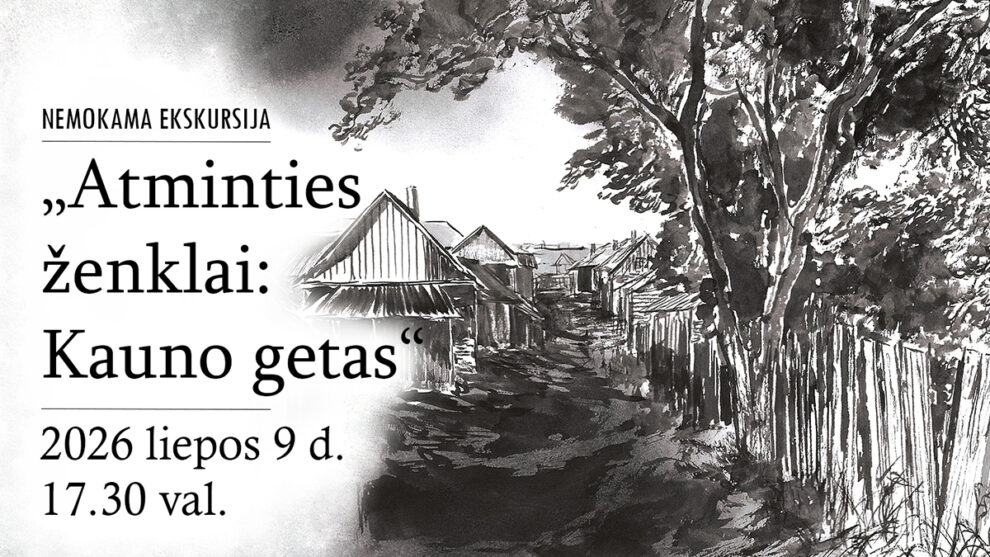
„Atminties ženklai: Kauno getas“ -nemokamai

Informacija vairuotojams: remontai A1 magistralėje

Kaip suplanuoti patogų virtuvės baldų išdėstymą?

Svaigimas, regos sutrikimai, tirpimai: kokius signalus siunčia nervų sistema?

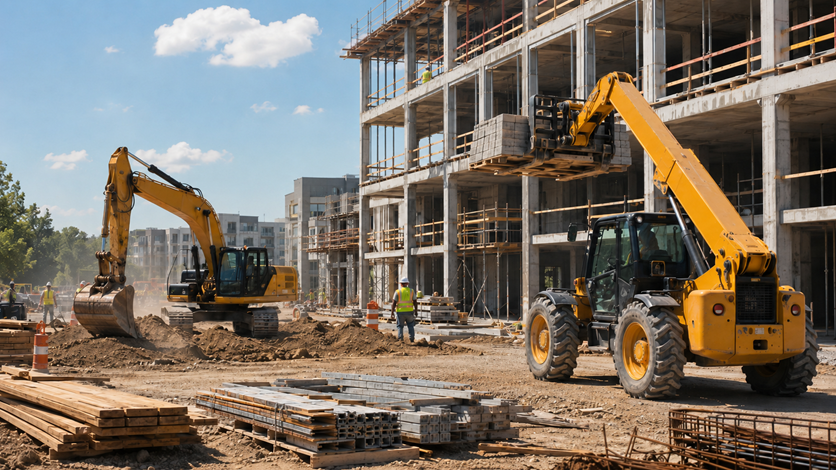
Statybinės technikos nuoma per darbų piką: ką žinoti?

Turbinos švilpimas: kada jau reikalingas remontas?

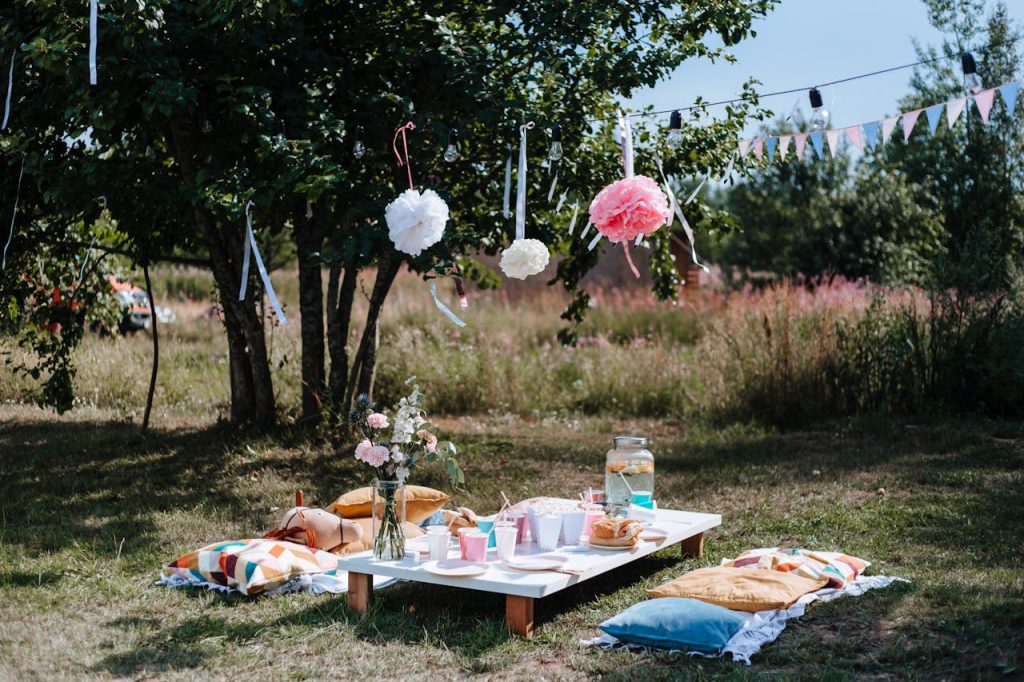
Gimtadienio stalas lauke: ką patiekti ir kaip pasiruošti?

Liepos 1 d. bus skelbiami nauji kvietimai teikti paraiškas neefektyvių šildymo įrenginių keitimui

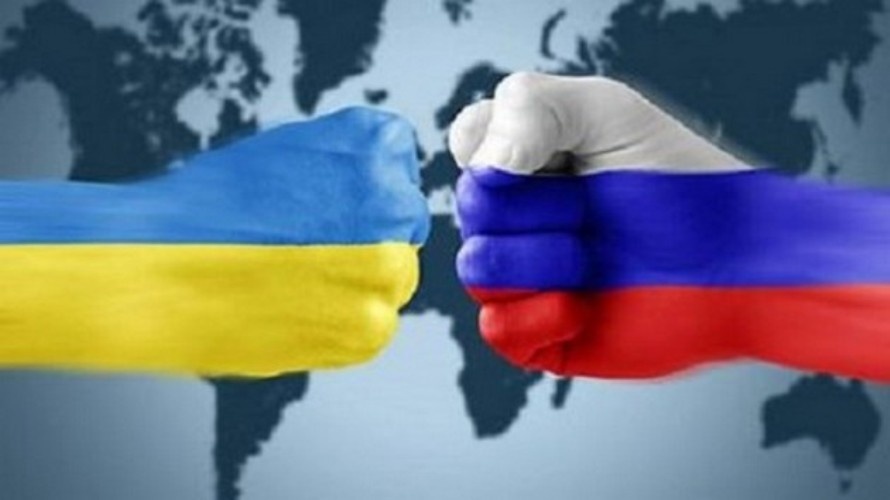
Syrskis: nuo metų pradžios Ukrainos pajėgos išlaisvino daugiau nei 670 kva. kilometrų

Trečiadienio horoskopas: strategams metas užbaigti nebaigtus pokalbius

Pirmieji Kauno rajono atstovai iškeliavo į Moksleivių dainų šventę

Kaunietės atradimas stebina: pigi indaplovės tabletė pakeičia brangiausius valiklius

„Vičiūnų grupė“ gina savo koldūnus

Pirmieji Kauno rajono atstovai iškeliavo į Moksleivių dainų šventę

Už sukčiavimą nuteisti Lietuvos ir Latvijos piliečiai

Visuomeninė iniciatyva „Šeima 2050“ pradeda bendradarbiavimą su Kauno miesto savivaldybe

Tyrimas: 8 iš 10 į „Tele2“ perėjusių klientų teigia mokantys mažiau

Kultūros ir sporto renginiai Kauno rajone birželio 29 d. – liepos 5 d.

Seimas balsuos dėl Valentinavičiaus skyrimo žvalgybos kontrolieriumi

Žemės įsigijimo sąlygos: kad ir kaip tobulinamos – vis su spragomis

Dienos horoskopas: svajonės apie keliones virsta karjeros planais

Kaunas turistų akimis

Kaune užfiksuotas naujas karščio rekordas

Kaip išsirinkti tobulą arbūzą: 3 patarimai, kad vasara Kaune būtų saldesnė

Nuo liepos 1 d. keičiasi kolumbariumų tvarka Kauno rajone

Kreminiai makaronai su cukinija ir vytintu kumpiu

Veryga: abejonių dėl mūsų ministrų neišgirdome 

Kultūros ir sporto renginiai Kauno rajone birželio 29 d. – liepos 5 d.

Nuo ko pradėti individualių namų statybą, kad išvengtumėte brangių klaidų

Express siuntos – kada jų prireikia ir kiek jos kainuoja

Nuo ko prasideda kokybiškai įrengti namai?

Net mažais kiekiais nuotekose likusios medžiagos kenkia aplinkai ir žmonėms

Kyjivo Pečorų lauroje atidengtas etmono Ivano Mazepos biustas

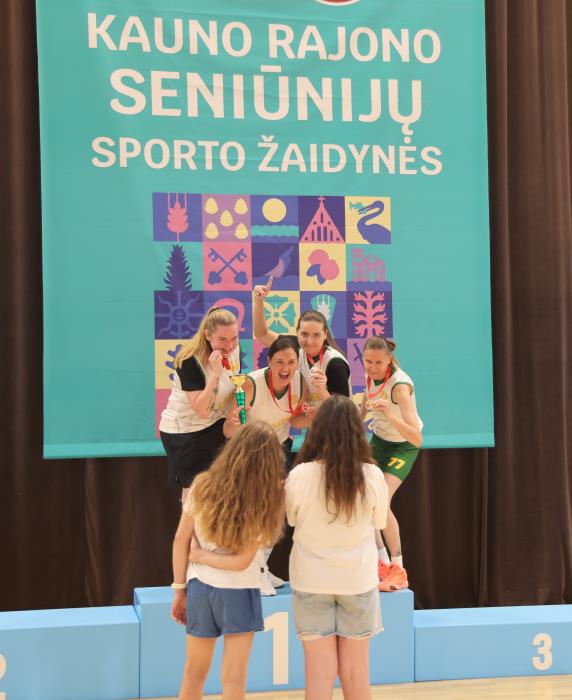
Paaiškėjo stipriausios Kauno rajono seniūnijų komandos

Birželio 29 d. horoskopai: kam teks atlikti svarbiausią pokalbį?

Naujas birželio karščio rekordas

Virš 1,6 tūkst. KTU diplomų

Kariuomenė išgabeno pagalbą Venesuelai 

Dainius Žalimas: Ukrainos Konstitucija brangi jos žmonėms ir nekenčiama priešo

Kaitra trukdo miegoti?

Europoj šilumos rekordai

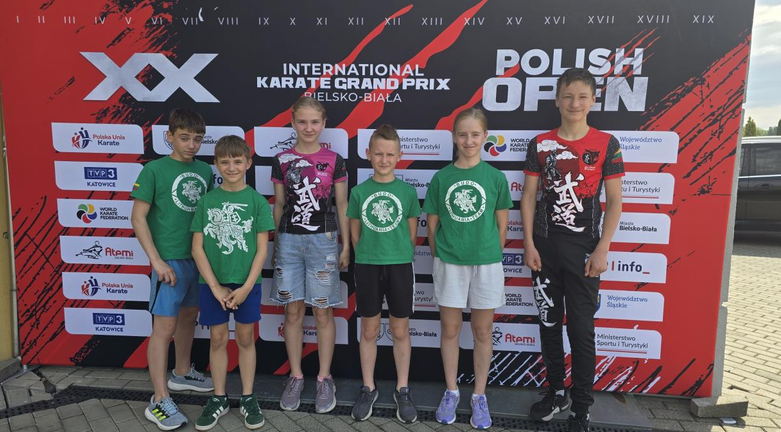
„Budo“ klubo karatistai turnyre „Polish Open“

Naujas rimtas eurpinės gynybos judesys

Garliava šeštadienį sportavo

Nausėda sveikino Lietuvos bažnytinės provincijos įsteigimo 100 metų minėjimo dalyvius

„Kas neseka paskui mane – nevertas manęs“ (Mt 10, 38) XIII eilinis sekmadienis

„Hezbollah“ vadas Izraelio ir Libano susitarimą pavadino „pažeminimu“

Venesuelon siunčiama pagalba

Lietuvos plaukikų startai Italijoje

Milijonais vagiama per sveikatos paslaugas

Keičiasi kolumbariumų tvarka Kauno rajone

Šeštadienio horoskopas: netikėtos galimybės ir optimizmo banga

Kaunas kviečia Valstybės dienai

Kaip dirbti nedirbant?

Rusija išsinešdino iš gimnastikos varžybų

Ukrainiečiai kviečiami grįžti namo

JAV atnaujino sankcijas Rusijos naftininkams

Libanas, Izraelis ir JAV pasirašė trišalį susitarimą

Nausėda pasiruošęs tarpininkauti Kijyvui ir Varšuvai

Kaip atnaujinti kilimą už kelis centus: kaunietės patarimas, tapęs sensacija

Kauno klinikos išgelbėjo vaiką

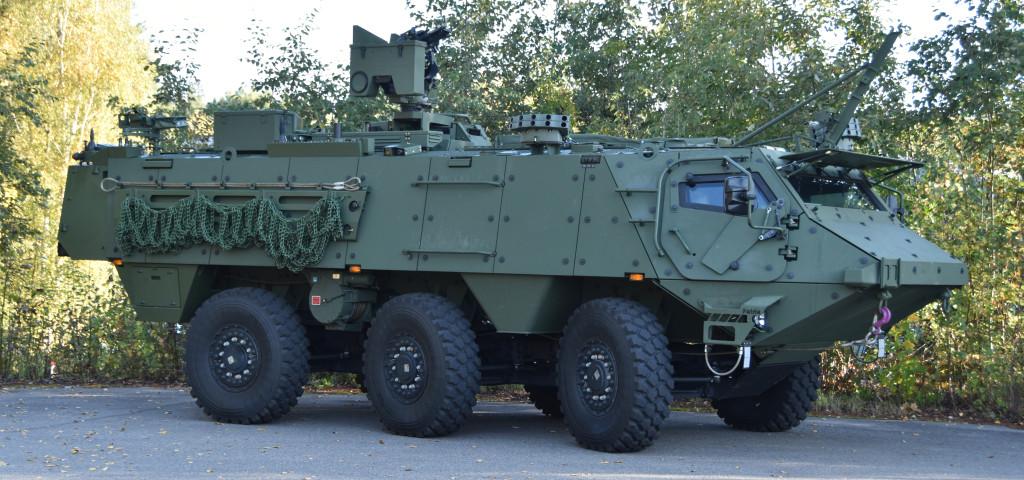
Įsigyjami „Patria 6×6“ šarvuočiai 

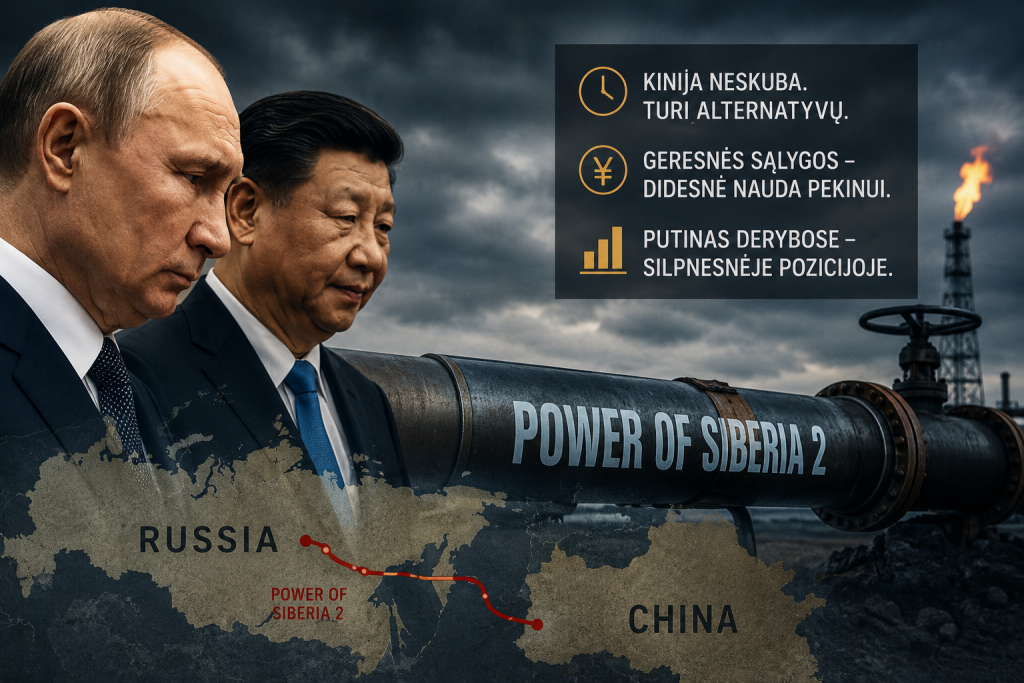
Kokios Rusijos ir Kinijos verslo santykių perspektyvos?

Lietuvos energetikos agentūra informuoja

Žalimas

Žalimas toliau ragina kovoti su Kinija

Greitasis Bánh Mì su kiaušiniu: vietnamietiški pusryčiai kitaip

Naujos cigarečių blionais gabenimo bylos

Aukcionuose parduos šimtus apleistų sodų sklypų?

Naujienos

Po dešimtmečio pertraukos vyks Lietuvos moksleivių dainų šventė: bus eismo ribojimų, viešasis transportas kursuos dažniau

Tomas Čyvas

Putinynas pastips, kaip SSRS?

Šios dienos horoskopas: kodėl nebaigti pokalbiai grįžta į jūsų namus?

Po gimdymo ir menopauzės atsiradę pokyčiai nebūtinai yra norma

Rusija į Kyjivą paleido balistines raketas?

Skaitmeninis euras – patogumui ar sekimui?

Vėjo gūsis pakėlė batutą su vaikais: kaip linksma pramoga per kelias sekundes virto nelaime

Klaipėdos uoste JAV karinis laivynas – „USS Mount Whitney“

Kazlų Rūdoje nebemažėja žmonių

Vokietija: Rusija karo nelaimės

Kaišiadoryse reikia teisti ne tik merą?

Sporto dvasia suvienijo Raudondvarį!

Lenkiškas nekeptas varškės pyragas su braškėmis (sernik na zimno)

Europa turi investuoti kartu, o ne 27 kartus atskirai?

Kaimynai dalijasi patirtimi

Kaune sulaikytas vyras palikęs granatą (ne vaisių)

II pensijų kaupimo pakopos pokyčiai

2026 m. birželio 25 d. horoskopas: kūrybiniai atradimai keičia santykių taisykles

Prezidentas teiks M. Sinkevičių į premjerus

Šv. Jono atlaidai Zapyškyje tapo istorinio vargonų sugrįžimo švente

Kaip Joninės praturtina prekybos centrą „Maxima“

Europa importuoja Ebolos virusą?

Futbolo kamuolys

Kurio žemyno komanda laimės Pasaulio futbolo taurę?

Kauniečio žvejo paslaptis: kaip viena česnako skiltelė garantuoja įspūdingą laimikį

Vasaros šventė Žiežmarių nepriklausomybės aikštėje

Kauno mečetės išpuolis sukėlė rietenas

Ministrė ir Vilniaus meras atsikirto Matijošaičiui 

Ketvirtadienio horoskope – optimizmas ir netikėti kelionių pasiūlymai

2026-07-02

Kurtinaičiui: „Kada jei ne dabar?“ (Video)

2026-07-01

Kauniečiai kviečiami į Rožių festivalį

2026-07-01

Kauniečio vaistinėlės paslaptis: kaip vandenilio peroksidas padeda palaikyti švarą namuose

2026-07-01

Moteris pripažino Kaišiadorių rajone nužudžiusi du vaikus?

2026-07-01

Vasaros stovykla „Atradimų stovyklos – Lietuva, kurią galima patirti“

2026-07-01

„Atminties ženklai: Kauno getas“ -nemokamai

2026-07-01

Informacija vairuotojams: remontai A1 magistralėje

2026-07-01

Kaip suplanuoti patogų virtuvės baldų išdėstymą?

2026-07-01

Svaigimas, regos sutrikimai, tirpimai: kokius signalus siunčia nervų sistema?

2026-07-01

Statybinės technikos nuoma per darbų piką: ką žinoti?

2026-07-01

Turbinos švilpimas: kada jau reikalingas remontas?

2026-07-01

Gimtadienio stalas lauke: ką patiekti ir kaip pasiruošti?

2026-07-01

Liepos 1 d. bus skelbiami nauji kvietimai teikti paraiškas neefektyvių šildymo įrenginių keitimui

2026-07-01

Syrskis: nuo metų pradžios Ukrainos pajėgos išlaisvino daugiau nei 670 kva. kilometrų

2026-07-01

Trečiadienio horoskopas: strategams metas užbaigti nebaigtus pokalbius

2026-07-01

Pirmieji Kauno rajono atstovai iškeliavo į Moksleivių dainų šventę

2026-06-30

Kaunietės atradimas stebina: pigi indaplovės tabletė pakeičia brangiausius valiklius

2026-06-30

„Vičiūnų grupė“ gina savo koldūnus

2026-06-30

Pirmieji Kauno rajono atstovai iškeliavo į Moksleivių dainų šventę

2026-06-30

Už sukčiavimą nuteisti Lietuvos ir Latvijos piliečiai

2026-06-30

Visuomeninė iniciatyva „Šeima 2050“ pradeda bendradarbiavimą su Kauno miesto savivaldybe

2026-06-30

Tyrimas: 8 iš 10 į „Tele2“ perėjusių klientų teigia mokantys mažiau

2026-06-30

Kultūros ir sporto renginiai Kauno rajone birželio 29 d. – liepos 5 d.

2026-06-30

Seimas balsuos dėl Valentinavičiaus skyrimo žvalgybos kontrolieriumi

2026-06-30

Žemės įsigijimo sąlygos: kad ir kaip tobulinamos – vis su spragomis

2026-06-30

Dienos horoskopas: svajonės apie keliones virsta karjeros planais

2026-06-30

Kaunas turistų akimis

2026-06-29

Kaune užfiksuotas naujas karščio rekordas

2026-06-29

Kaip išsirinkti tobulą arbūzą: 3 patarimai, kad vasara Kaune būtų saldesnė

2026-06-29

UAB “Kauniečiams”
Įmonės kodas: 307072731
Įmonės adresas: Betygalos g. 4A, Kaunas
PVM mokėtojo kodas: LT100017557011
Banko sąskaitos nr.: LT717044090113506715

info@kaunieciams.lt
Privatumo politika

Pranešk naujieną!

Pamatėte ar nugirdote kažką įdomaus ar šokiruojančio?
Pasidalinkite šia žinia su portalo skaitytojais.

Pasidalinti žinia

Copyright © 2026 Kauniečiams kasdienės naujienos